

The advertising world has already changed — is your business ready?
Google Ads isn’t what it used to be. In 2025, the platform is undergoing a rapid transformation — not just updates, but a complete rebuild powered by new AI algorithms, automation, shifts in targeting principles, and data collection models.
The goal — to make advertising smarter, more accurate, and more effective. But for businesses, this also means the need to adapt: old methods no longer work.
In this article, the Atlant Digital team shares:
❔ which updates Google has already launched,
❔ how the new ad algorithms work,
❔ and how your business can adapt to avoid losing results.
What’s new in Google Ads 2025?
Google Ads today is a suite of powerful, automated tools that use machine learning to achieve business goals. Among the key updates this year:
-
Performance Max 2.0 — an upgraded version of automated campaigns with smarter audience management.
-
AI Custom Segments — new dynamic audiences created by Google itself.
-
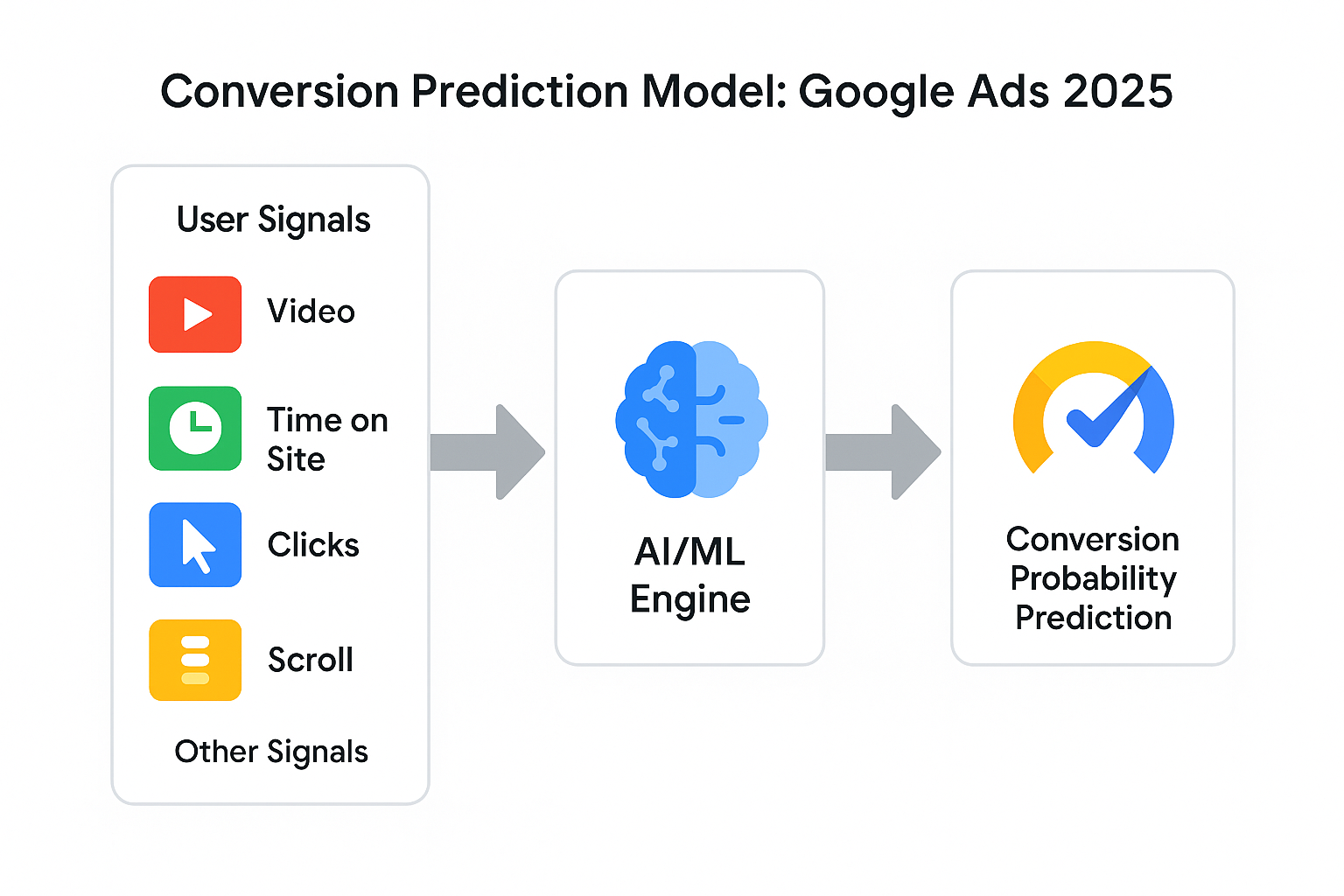
Conversion prediction — new algorithms that analyze user behavior, not just clicks.
-
Gemini AI integration — Google’s generative AI model embedded in the ad system.
-
Cookie-less advertising — the rollout of Privacy Sandbox in place of third-party cookies.
-
Enhanced brand safety — new tools for checking ad placements.
Performance Max 2.0: AI takes over everything
What is it?
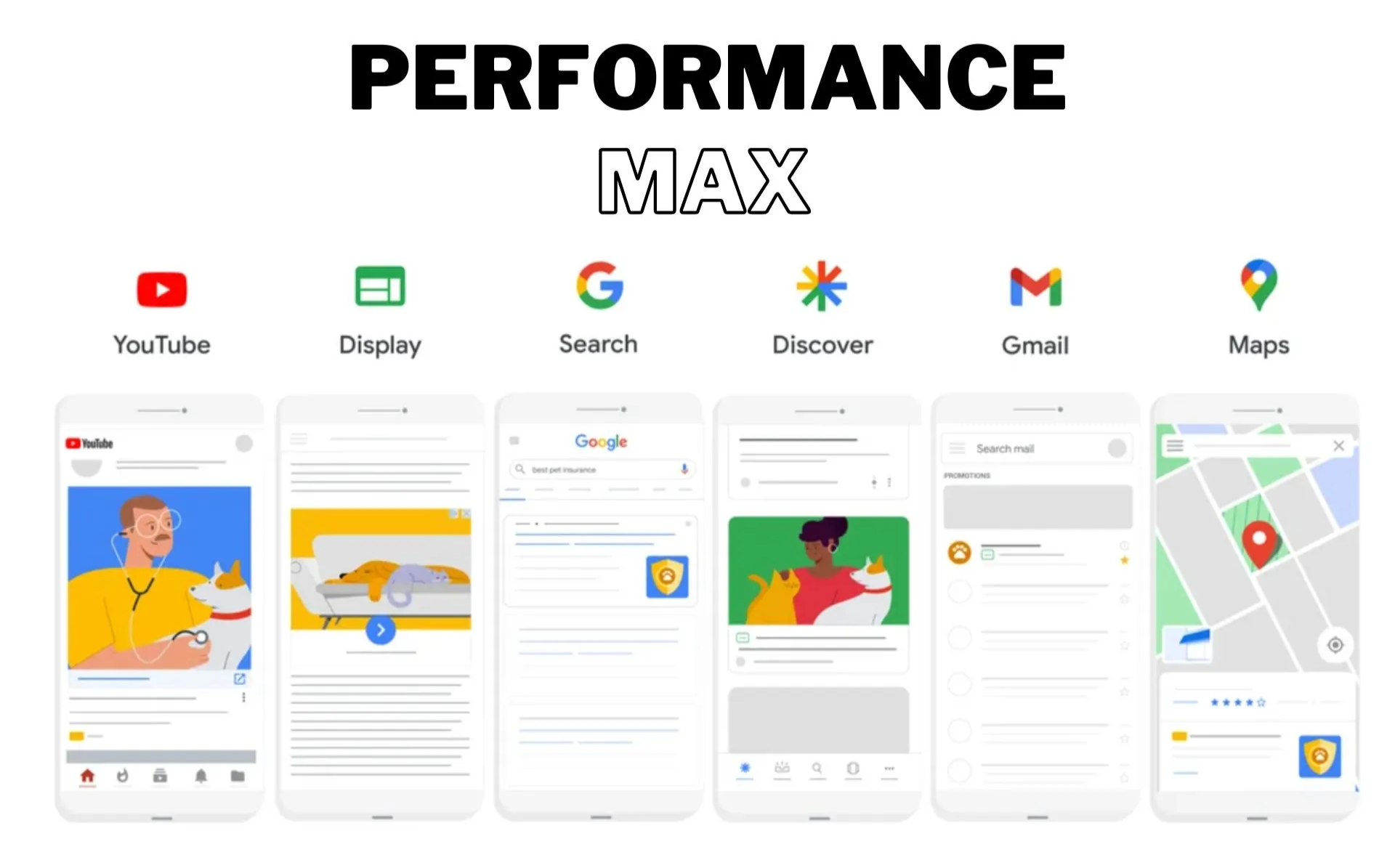
Performance Max is a campaign type where you define goals, budget, creatives — and let AI do the rest. In version 2.0, Google improved how it selects channels, audiences, and placements.
What’s new:
-
Smarter creative combinations: video, text, banners.
-
Integration across YouTube, Gmail, Google Maps, Search, Display — all in one campaign.
-
Deeper real-time intent analysis.
What it gives your business:
-
Faster campaign launches.
-
Wider reach with lower budget.
-
Less manual setup — more time for strategy.
New audiences: AI decides who sees your ads
Previously, targeting was based on selection: age, interests, location, behavior. In 2025, Google introduces AI Custom Segments, analyzing hundreds of signals — from search queries to YouTube watch history.
How it works:
-
You set a desired action (e.g. purchase).
-
Google analyzes who is most likely to convert — even if they haven’t seen your brand before.
What this means:
-
Targeting becomes dynamic — segments change daily.
-
You can reach new high-quality audiences without manual segmentation.
Conversion prediction: the end of the click era?
In 2025, Google Ads goes beyond clicks. New prediction models now factor in:
-
time spent on site,
-
scrolling activity,
-
video engagement,
-
page navigation,
-
even “content engagement intensity.”
What it gives your business:
-
More accurate bid strategies.
-
Ability to forecast campaign profitability in advance.
-
Lower spend on ineffective clicks.
Cookie-less world and Privacy Sandbox: what you need to know
In 2025, Google officially ends third-party cookie support in Chrome. Instead, it rolls out Privacy Sandbox, including:
-
Topics API — ads based on general interest categories.
-
FLEDGE — ad delivery within browser without sharing personal data.
What businesses need to do:
-
Switch to first-party data collection (owned lists, CRM).
-
Integrate websites with Google Tag Manager and GA4.
-
Create a new retargeting strategy — without cookies.
🎯 Why Google is no longer focused only on clicks
In 2025, Google Ads moves from a click-centric model to a more complex system that analyzes multiple user interaction signals. This allows for:
-
More accurate predictions: Considering various behavior patterns makes conversion forecasts more reliable.
-
Better understanding of intent: Deeper analysis reveals real interest in a product or service.
-
Campaign optimization: Multisignal input leads to better ad performance.
-
Higher ROI: Smarter targeting and personalization increase conversions and lower costs.
How can your business adapt to Google Ads 2025?
Practical tips from Atlant Digital:
✅ Upgrade your campaigns to Performance Max, but set clear goals.
✅ Manage your signals properly — give AI structured inputs (goals, audiences, creatives).
✅ Invest in video — YouTube is even stronger in 2025.
✅ Collect your own data — email marketing, sign-ups, CRM integration.
✅ Test generative AI for ad creatives (Gemini AI is now available in Google Ads).
✅ Analyze GA4 reports regularly — focus on behavioral metrics, not just CPC.
Conclusion: the future is already here
Google Ads 2025 is no longer just an ad platform. It’s an intelligent system that learns, predicts, and adapts.
📌 Those who adapt in time will get lower costs, higher conversion rates, and better control over their ad investments.
📌 Those who ignore the shift risk running ineffective campaigns in an oversaturated market.
Want to adapt your ads to Google’s new algorithms?
Book a free consultation — we’ll show how your business can generate more leads, even in a cookieless world with smart AI-driven ads.
Atlant Digital — we turn Google’s algorithms into your advantage.