

SaaS Case Study: How We Reduced CPL by 60% and Increased Applications by 4.5x

#b2b
#SaaS
How we rebuilt SaaS platform marketing: -60% CPL, +4.5x applications, analytics automation

This case is about how chaotic advertising without analytics “ate up” the budget of a SaaS platform and why without a systematic approach, a business cannot scale.

We conducted an audit, found errors in tracking, launched hypotheses for 4 different niches, set up end-to-end analytics and optimized campaigns. As a result, the cost of a lead decreased by 60%, and the number of applications increased by 4.5 times.

Ілюстрація SaaS-платформи з хмарою, монітором і графіками

What is this case about?

In 3 months, the Atlant.Digital team helped a SaaS platform transform chaotic and expensive advertising into a managed lead generation system. We tested 4 niches, set up end-to-end analytics, halved the cost of a lead, and increased the customer flow by 4.5 times.

The case will be useful for owners and marketers of SaaS projects, as well as small and medium-sized businesses in the service sector. It shows how to launch advertising from scratch, check demand, build analytics, and optimize channels.

Task

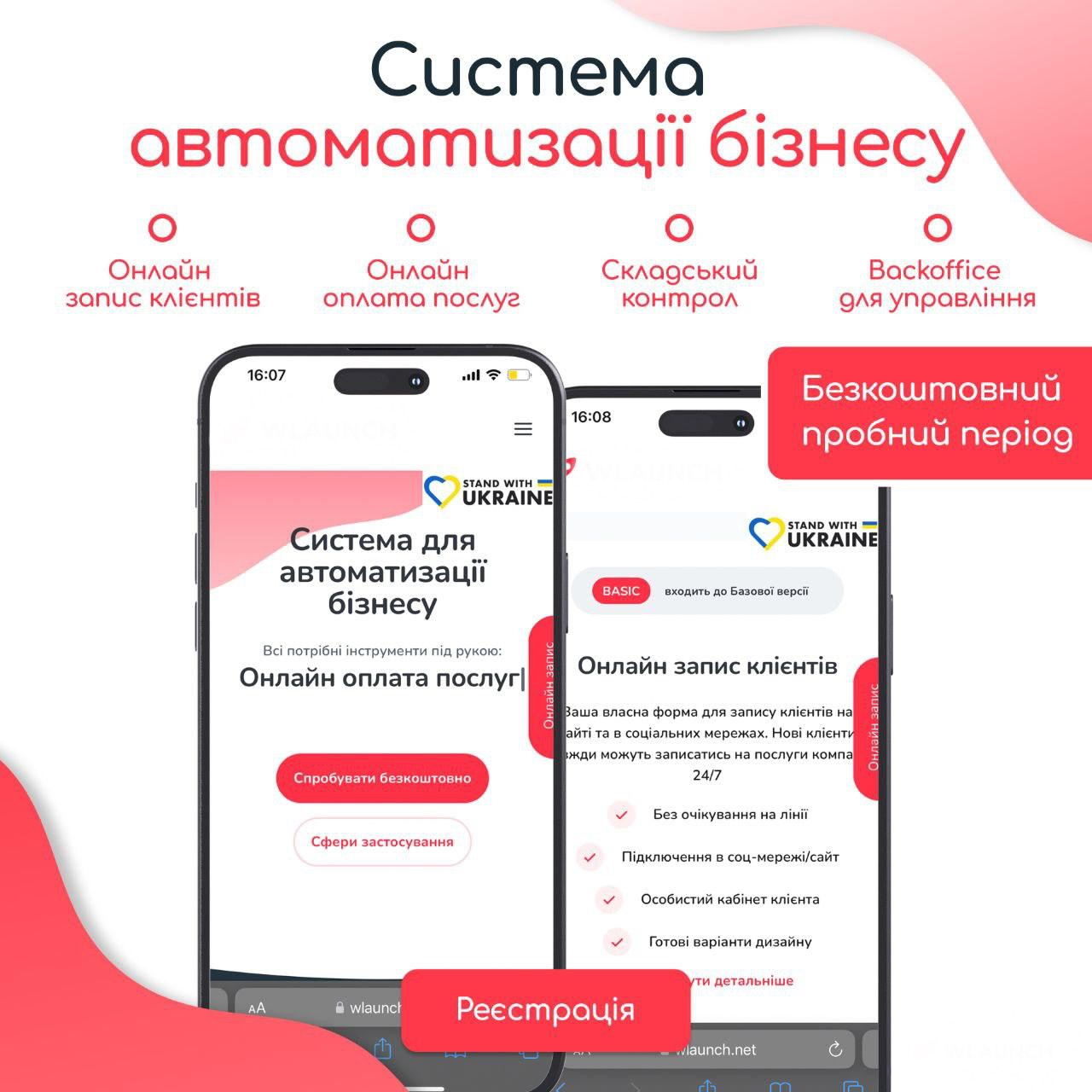
The SaaS platform helps automate online booking, sales, and management for small businesses in the service sector: from yoga studios to educational courses. Despite the finished product and the first customers, growth was limited: advertising did not provide a stable flow of applications, analytics did not work, the company could not scale.

“Before the project, we had already tried to launch advertising, but we did it unsystematically. We didn’t understand what worked, and we couldn’t scale — we needed a partner who would help us build marketing intelligently.”

— CEO of SaaS platform

Problem

When the SaaS platform team approached us, they already had a working product and an understanding of their target audience. But they lacked a system, analytics, and predictability:

    • advertising applications were expensive and unstable;
    • there was no tracking — no UTM tags, no connection to CRM;
    • campaigns were launched without tests and hypotheses;
    • advertising was launched pointwise, without segmentation.

The bottom line: advertising was draining the budget, and it was impossible to assess the result.

Therefore, we started with the main thing: we transferred marketing from “manual mode” to a managed system with numbers, hypotheses, and a transparent funnel.

attention

The SaaS niche for local businesses is highly competitive. Companies compete for the attention of customers who value convenience, quick setup, and reliability. But without systematic marketing, even the best product remains in the shadows. Only automation and clear tracking allow for predictable growth.

Stages of project implementation

Stage 1. Audit and search for where exactly applications are “flowing”

The first thing we did was not start traffic. We started looking for holes. We checked:

  • Does the pixel work? No.
  • Are the requests transferred to CRM? No.
  • Are the sources, statuses, events recorded? Also no.

The site is on a custom CMS (Vue.js). This means that standard tracking solutions are not suitable. We configured it manually via GTM and the client’s developers. It took a little over a week, but without this base, everything else would have made no sense.

Why this matters: If you can’t see the application path, you’re not managing the ad. You’re just paying the platforms for airtime.

Stage 2. Strategy and hypotheses: stop shooting at random

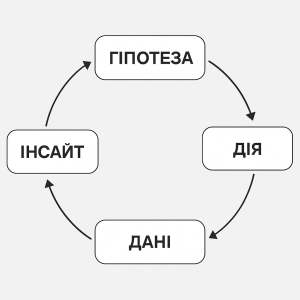
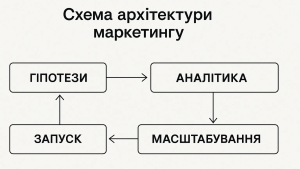
💡 Here we have connected the HADI cycle: Hypothesis → Action → Data → Insight

  • We built a matrix: audience × offer × platform
  • We chose different formats: Google Search, Meta lead forms, quizzes
  • We divided the target audience into 4 segments: sports, beauty, education, rental
  • For each — a separate offer, banner, audience, campaign

Why these niches? The client already had users from all four, but there was no understanding of which ones were profitable. Our task was to verify this with numbers.

We didn’t just clone campaigns. We adapted offers to the pain points of each segment. For the gym — “auto-registration without an administrator.” For beauty — “more time for clients, less for spreadsheets.” Each creative is like a personal message.

Stage 3. Building analytics — finally starting to see what works

Without this, we will be nowhere. We:

  • connected GA4, Meta Pixel, GTM
  • set up events on the site
  • linked all this with CRM and spreadsheets

As a result, the client could open a Google Sheet and in 2 minutes see:

  • where did the application come from
  • how much did it cost
  • how did it end – payment, refusal, “I think”

We don’t just configure analytics “for reporting.” We turn data into a management tool.

Stage 4. Launching tests: each hypothesis has its own campaign

We didn’t launch “everything at once.” For each niche — a separate hypothesis. For each hypothesis — a separate launch.

Google Search — for hot queries. PMax — by behavior. Meta — by interests and through lead forms.

Tested:

  • creatives: static, text, with interface
  • offers: from benefit to pain
  • audiences: narrow, broad, Lookalike

After 10 days, it was already clear: sports and beauty were top. Other segments were either more expensive or less responsive.

Stage 5. Optimization: every 2 days — analysis and actions

We set up the system so that every two days:

  • tables with CPL, CTR, viewing depth and traffic quality were updated;
  • lead statuses were recorded (not just “came”, but “paid / dropped”);
  • decisions were made: to disable, change the offer, bid or creative.

It’s like fitness for advertising: without regular work, the results quickly degrade.

Stage 6. Scaling: taking the best and multiplying it

When we found working connections, we didn’t just raise the stakes. We beefed up the channel, updated creatives, added branded campaigns and remarketing.

🔹For Meta — created separate segments by events and contacts.

🔹 For Google — launched a campaign for brand queries.

The result is a stable flow of applications (25–30 per week) with a constant budget. No jumps, no audience burnout.

Stage 7. Handover and training of the client team

Our goal is not to make the client dependent, but to give him a transparent system. We have collected:

  • reporting in Google Sheets;
  • instructions on working with spreadsheets and analyzing results;
  • held a workshop for the client’s team: where to look, what to change, how to test.

Now the client is running some of the campaigns on his own. And that’s okay. Because he already has a system.

Real results on charts

To be fair, here is the real data from the advertising account:

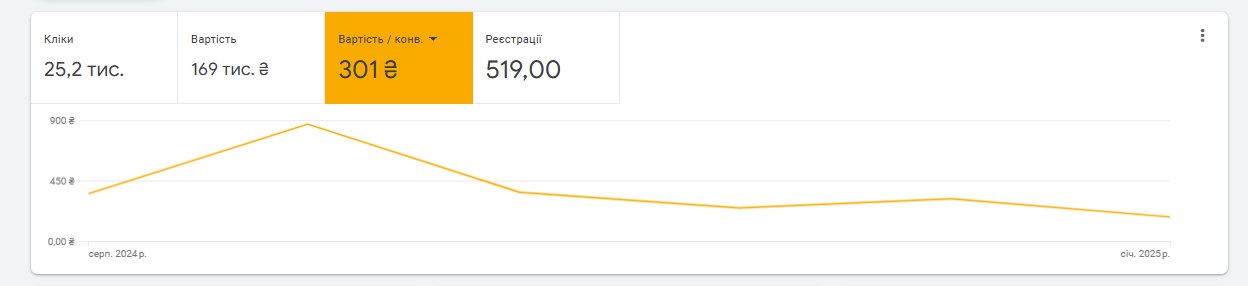
    • 📉 The conversion cost has dropped by half in just a few months of operation (November-January).
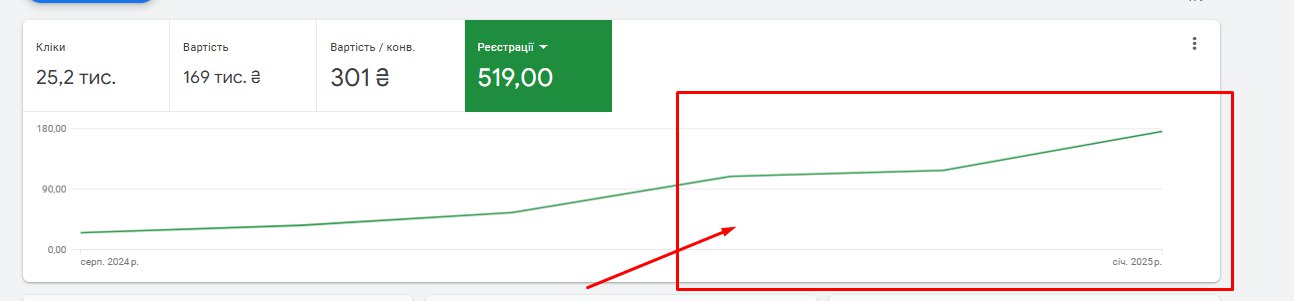
    • 📈 The number of registrations increased 3 times during the project period.

This is the result of systematic work with hypotheses, analytics, and daily optimization.

What's the bottom line? Numbers without embellishment

  • CPL on Google: from 388–600 UAH → to 150–180 UAH
  • CPL on Meta: $1.5–3
  • Increase in the number of requests: 4.5 times (from 6–8 to 25–30 per week)
  • Conversion into payment: up to 12% in the sports and beauty segments
  • First advertising client — already in the first month
  • Stable flow of applications without peaks and dips
  • Automated analytics in real time

“Now we don’t guess. We see what works and can scale with confidence,” — SaaS platform team

attention

Context and examples of world practice

According to the HubSpot Marketing Benchmark Report, companies with a well-established funnel and reporting increase their marketing return by an average of 42% within the first year of implementation. And that’s exactly what we observed in the SaaS platform case study.

What does this give to business and how do we approach it?

Advertising is not a button. It is an architecture. Each block — audit, hypothesis, analytics, optimization — works as part of a single mechanism.

At Atlant.Digital, we don’t start with a launch. We start with the question: “How do you measure the result?” If there is no answer, we create it.

Before starting:

  • we study the business, revenue model, seasonality and LTV;
  • we test offers on narrow segments;
  • we build analytics for the client – so that decisions are made based on data, not intuition;
  • we optimize, fix, transfer control to the client or scale further together.

In this case, we didn’t just launch traffic. We restarted marketing. We built an architecture where every element affects the result.


We don’t play with luck — we create a predictable lead generation system that you can scale on your own or with us. If you want the same structure for your business — fill out a short application on our website atlant.digital. Let’s discuss the format, tasks, and opportunities.

    How to contact you?

    We will contact you within 30 minutes

    Privacy Policy
    Our cases
    #real estate
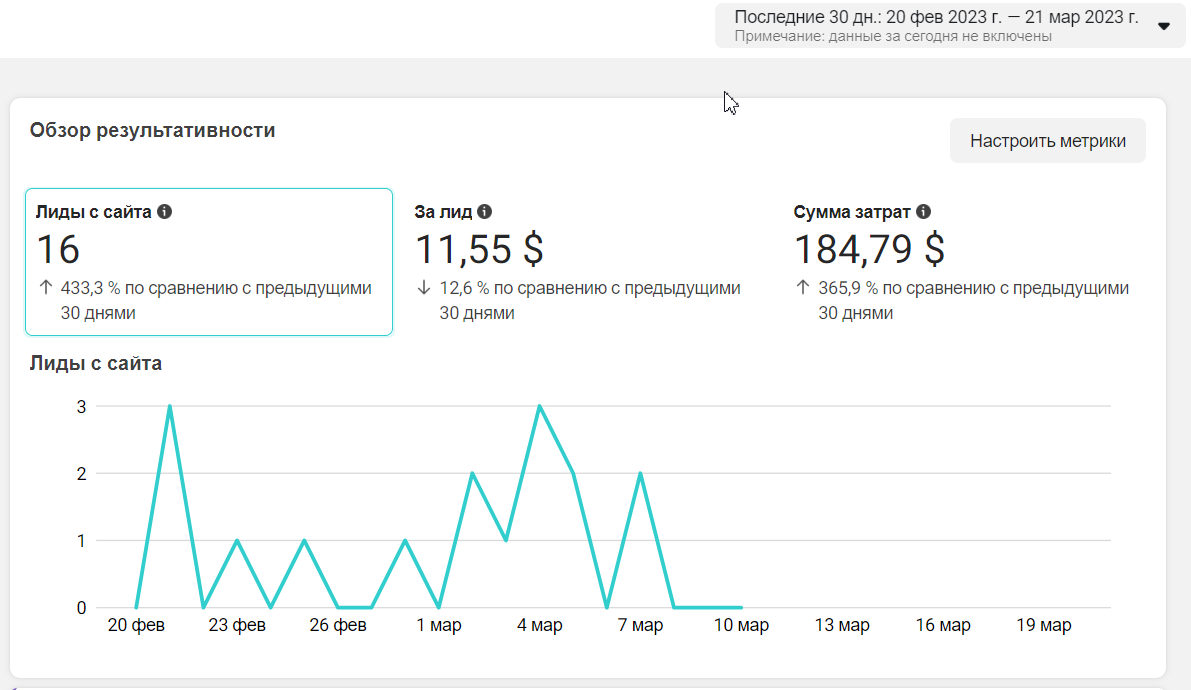
    Escape Villas: test campaign in Bali generated 16 leads worth $11.55 in 3 days
    Escape Villas: test campaign in Bali generated 16 leads worth $11.55 in 3 days
    Результати
    CPL: 11,55
    image_2023-03-21_19-53-27
    #e-commerce
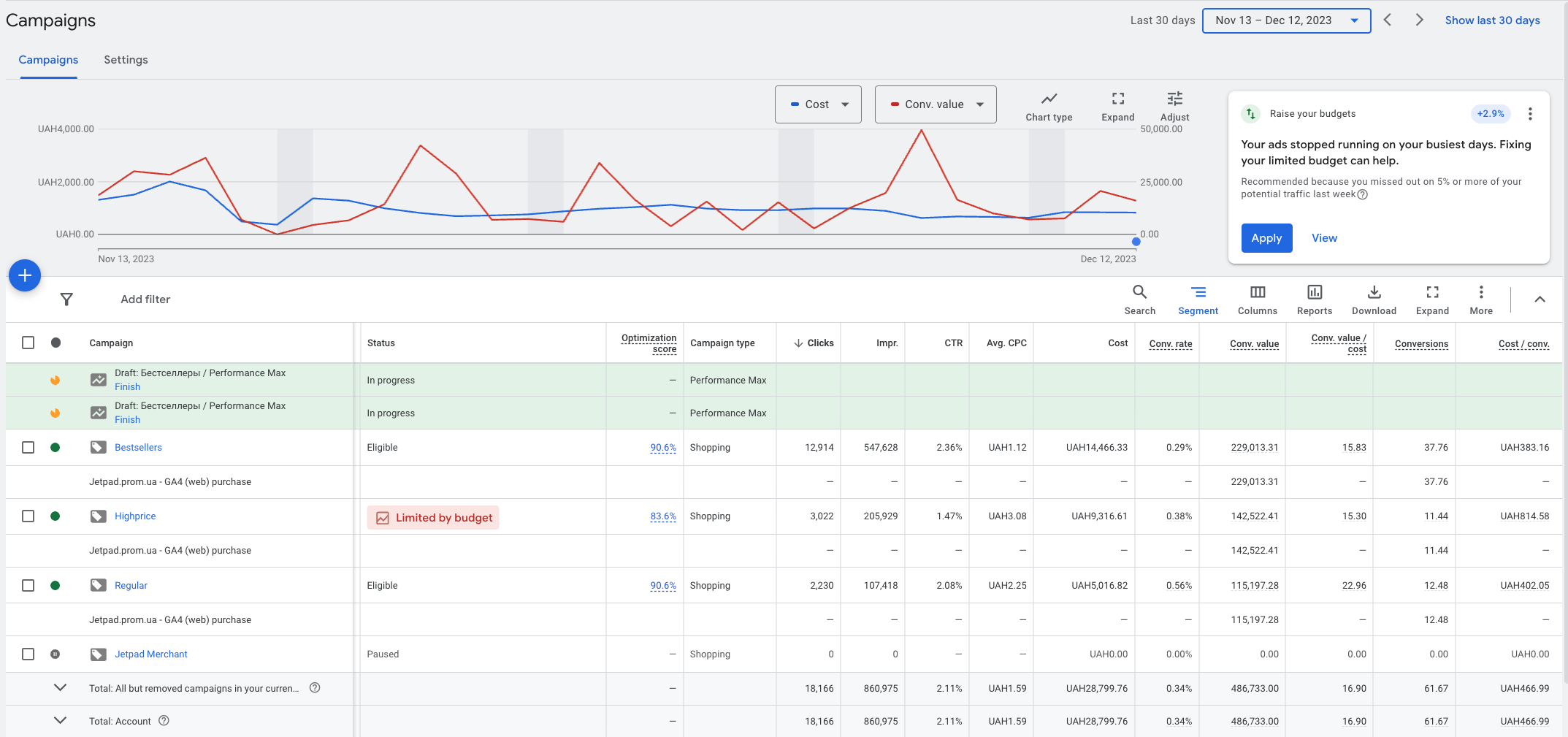
    How JetPad increased sales by 27x and improved advertising ROI by 3.5x thanks to an effective promotion strategy
    How JetPad increased sales by 27x and improved advertising ROI by 3.5x thanks to an effective promotion strategy
    Результати
    ROI: 16,69
    ROMI: +1569%
    Number of requests: 240
    Untitled (10)
    #e-commerce
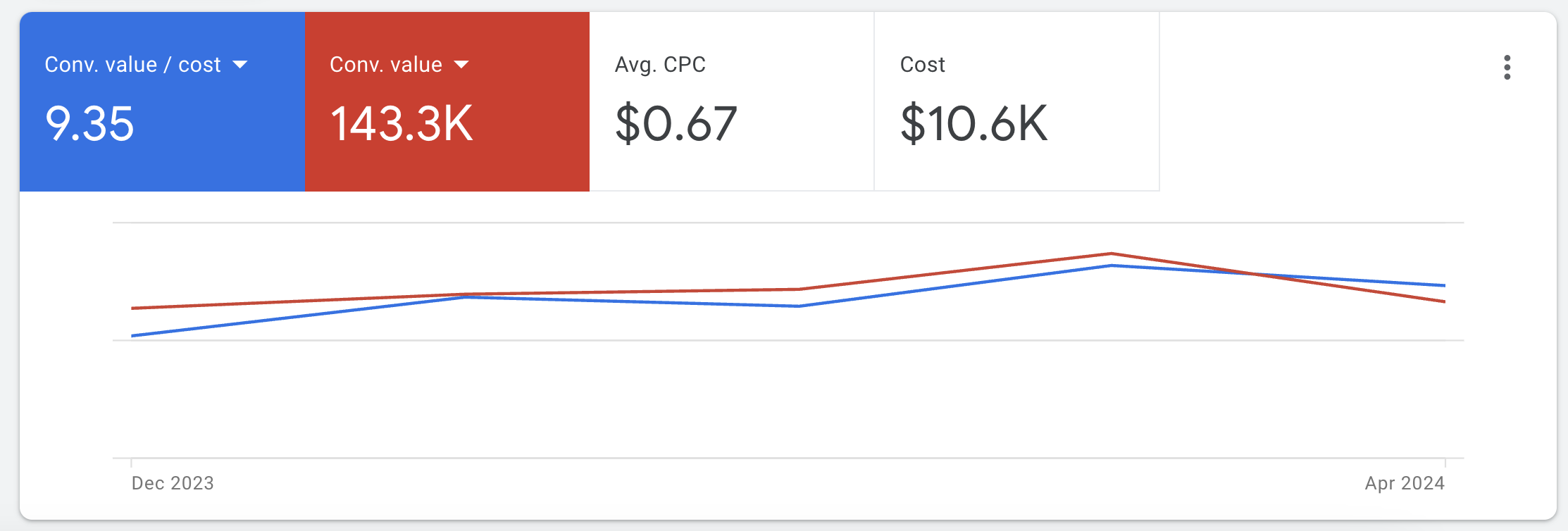
    How we increased ROAS to 357% for a bridal veil brand in the US: Maria Veils case study
    How we increased ROAS to 357% for a bridal veil brand in the US: Maria Veils case study
    Результати
    ROI: 1252%
    KPI: achieving ROAS > 9.35 with a budget of $10.6K
    ROMI: 9,35
    CPL: 2,39$
    CPC: 0.67$
    Untitled (12)
    #e-commerce
    MKL: how we stopped the traffic drop and brought the site to the TOP for commercial queries
    MKL: how we stopped the traffic drop and brought the site to the TOP for commercial queries
    Результати
    ROI: +124,28%
    KPI: +145.76% organic traffic
    120,471 (organic) переходів
    image (28)
    #education
    NewTimeDevelopment: held a workshop with 399 participants and received an ROI of 212%
    NewTimeDevelopment: held a workshop with 399 participants and received an ROI of 212%
    View 100+ other cases